Blokada Cieśniny Hormuz skłania 57 krajów do interwencji na rynkach... Pułapy cen ropy i obniżki podatków paliwowych w pełnym zakresie - The Asia Business Daily
Due to the ongoing conflict in the Middle East and the blockade of the Strait of Hormuz, 57 countries worldwide are intervening in energy markets. Sixteen countries have adopted price cap measures similar to Korea's "maximum price system," while 40 countries, mainly in Europe, have reduced fuel taxes to mitigate market shocks.
Sixteen Countries Adopt Korea-Style "Maximum Price System"
Forty Countries, Including Spain, Cut Fuel Taxes to Minimum Levels
As the Middle East war drags on and the Strait of Hormuz remains blocked, major countries around the world are ramping up their intervention in energy markets.

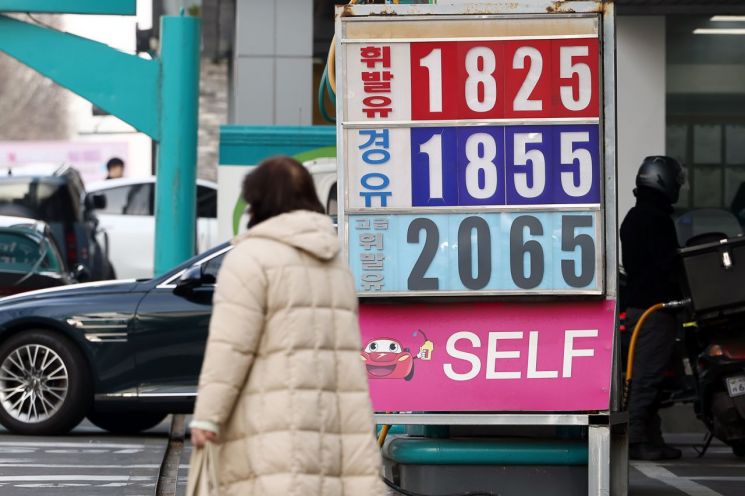
On the 12th, a demonstration event to assist fueling for disabled and other vulnerable road users was held at a self-service gas station in Mokpo, Jeonnam. Photo by Yonhap News.
According to the Korea Electric Power Corporation (KEPCO) Management Research Institute's report on "Impacts of the Middle East Conflict and Overseas Policy Trends" released on May 17, a total of 57 countries worldwide, including Korea, are currently implementing measures such as retail price caps, fuel subsidies, and tax incentives.
Sixteen countries, including Japan, Taiwan, and Thailand, have introduced price cap measures similar to Korea’s “maximum price system.” In Japan, the government provides subsidies to refiners to keep gasoline retail prices around 170 yen per liter, while Taiwan has frozen fuel prices through its state-run oil company. European nations such as Hungary, the Czech Republic, and France have either implemented or are considering price caps or restrictions on distribution margins.
Tax reduction policies have been adopted by 40 countries, mainly in Europe where fuel taxes make up a large portion of fuel prices. Spain has lowered fuel taxes to the European Union (EU) minimum and halved its value-added tax, while Germany and Italy have also reduced fuel taxes simultaneously. In the United States, a bill has been proposed to temporarily suspend the federal fuel tax in order to mitigate market shocks.
There is also a growing trend of aggressive “demand management” measures aimed at reducing overall energy consumption. Globally, 40 countries are implementing policies such as energy-saving campaigns, restrictions on vehicle operation, and the promotion of working from home. In particular, Southeast Asian countries like Bangladesh and Sri Lanka, where power shortages are severe, have mobilized every available policy, such as adjusting school operating hours, to activate a national emergency response system.
This content was produced with the assistance of AI translation services.
© The Asia Business Daily(www.asiae.co.kr). All rights reserved.
Źródło: RAK Exa Editorial Beats
